March 2026-June 2026
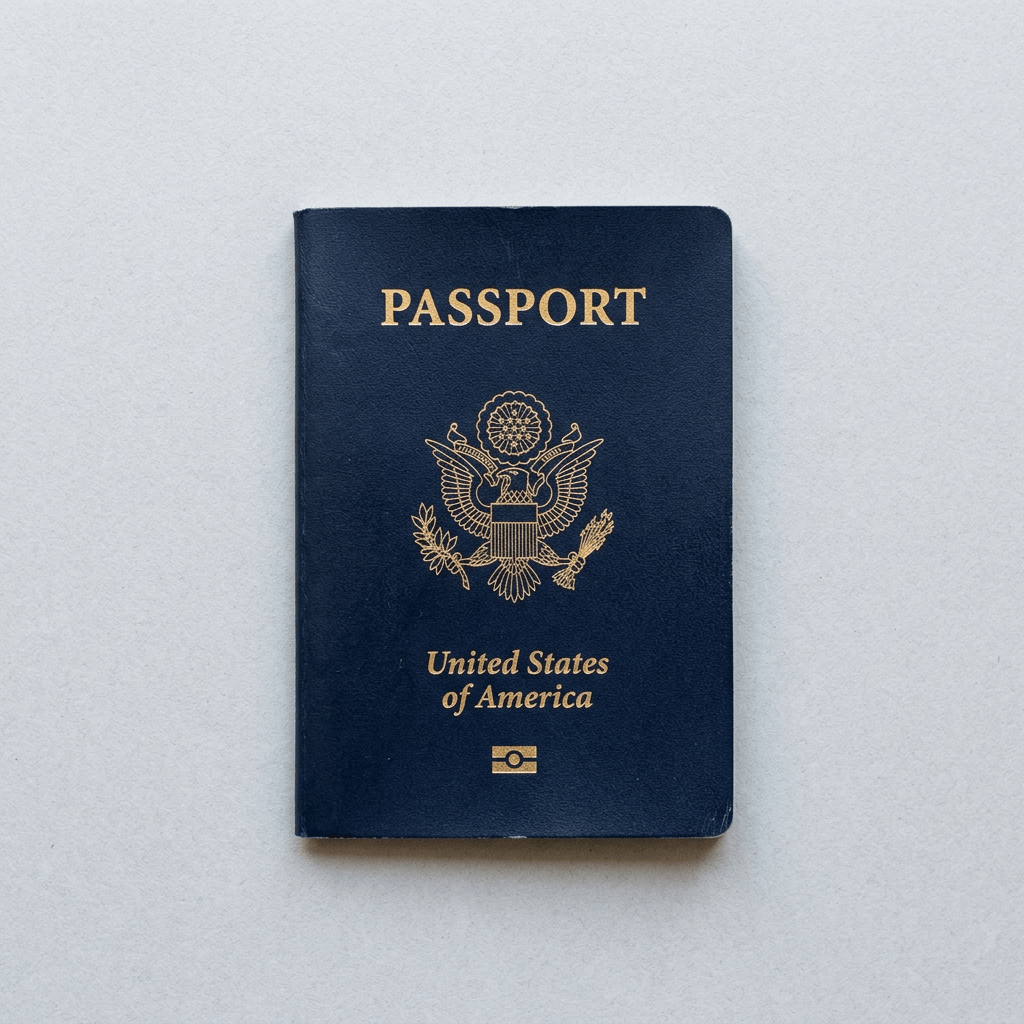
When I first learned that one of the major requirements of the Fulbright Teachers for Global Classrooms program was developing a guiding question, I honestly expected it to be one of the most difficult parts of the experience.
I imagined spending weeks trying to find the perfect question—one that captured everything I hoped to learn during my international field experience while also reflecting who I was as an educator.
As it turned out, finding my guiding question wasn’t difficult at all.
I simply had to trust what I already knew.
Throughout my career, I’ve always been passionate about helping students recognize that their voices matter. Whether we were reading literature, writing argumentative essays, interviewing community members, or tackling authentic projects, I wanted students to understand that learning wasn’t something that happened only inside the walls of a classroom. Learning became meaningful when students saw themselves as contributors to their schools, their communities, and eventually the world around them.
That realization led me to my guiding question:
How do students use their voice, choices, and local experiences to take ownership of their learning and develop as leaders who create change in their local and global communities?
The more I reflected on that question, the more I realized it wasn’t simply about literacy instruction.
It was about leadership.
It was about helping students discover that where they come from matters.
It was about creating opportunities for students to recognize that their ideas have value and that meaningful change often begins within their own communities.
Supporting that question is another that I hope to continue exploring throughout my Fulbright experience:
How can place-based literacy instruction empower students in their communities to see themselves as contributors to global conversations and change?
To me, these two questions have always gone hand in hand.
Students cannot fully appreciate another culture if they have never taken the time to understand their own.
Global competence doesn’t begin with boarding an airplane.
It begins by asking questions about the place you call home.
As I reflected on my journey throughout the Fulbright program, I realized something important.
My guiding question wasn’t new.
It had quietly been guiding my teaching for years.
Whether my students were researching sustainability projects in our own community, exploring different perspectives through literature, collaborating with classrooms in other locations, or creating projects for authentic audiences, the goal had always been the same.
Help students find their voice.
Help students recognize that learning has purpose.
Help students understand that they can make a difference.
Fulbright simply helped me put those beliefs into words.
While I was refining my guiding question, another unexpected chapter of my life began.
After nine incredible years at Shenandoah, I accepted a position that had long been one of my professional goals.
This fall, I will begin serving as the Assistant Principal at Coshocton Elementary School.
Accepting the position was exciting.
Leaving Shenandoah was one of the hardest decisions I’ve ever made.
For nearly a decade, I had built relationships with students, families, colleagues, and a community that helped shape me into the educator I am today. It was a place where I had grown professionally, taken risks, celebrated successes, and learned countless lessons that I will carry with me into this next chapter.
As I prepared to leave, I realized my guiding question had grown right alongside me.
Originally, it focused on my classroom.
Now it was becoming a leadership question.
How do schools create opportunities for student voice?
How do we help students take ownership of their learning across every grade level?
How do we create a school culture where students see themselves as leaders capable of making a difference?
Those are questions I hope to continue exploring throughout my career as a school leader.
Outside of school, life was changing just as quickly.
I packed up my little farmhouse, filled countless boxes, and moved into a one-bedroom apartment in Coshocton. My goal was simple: I wanted everything in place before leaving for the Philippines so that when I returned, I could immediately begin preparing for my new role as assistant principal.
Life became a whirlwind of packing boxes, saying goodbye, organizing paperwork, purchasing travel supplies, and preparing for two of the biggest adventures of my life.
One would take me halfway around the world.
The other would begin a new chapter in educational leadership.
Then another exciting piece of news arrived.
I learned that I would be traveling to Iloilo City in the Philippines alongside two members of my Fulbright cohort—Daniella and Michael.
That news made the experience feel even more real.
From the moment I met Daniella at the airport during the Global Symposium in Washington, D.C., we connected instantly. Knowing that we would continue this journey together brought a sense of comfort and excitement. I also looked forward to getting to know Michael better as we shared this once-in-a-lifetime experience.
We also had the opportunity to meet our host teacher, JL, through virtual meetings before our departure. Even from thousands of miles away, JL’s kindness and enthusiasm made us feel welcomed long before we arrived in the Philippines.
I also learned that I would be paired with a seventh-grade English teacher during my field experience.
I haven’t met my partner teacher yet.
In many ways, I like that.
There’s something exciting about knowing that some of the best parts of this journey are still waiting to unfold.
As I write this, there are only 17 days until my flight leaves the ground.
It’s hard to believe that something I dreamed about for years is finally becoming reality.
When I think back over the past eighteen months, I see so many moments that prepared me for this opportunity.
Completing my application from a hospital bed.
Balancing three jobs while completing the Global Competence Course.
Watching my students embrace global learning with curiosity and excitement.
Meeting educators who have become lifelong friends.
Accepting my dream job as an assistant principal.
Each step has prepared me for the next.
This journey has never been about checking another country off a map.
It has been about becoming a better educator.
A better leader.
A better listener.
Someone who can return home with new perspectives that help students recognize the connections between their own communities and the wider world.
In just a few short days, the wheels will leave the ground.
When they do, another lifelong dream will finally become reality.
The next chapter won’t be about preparing for the experience.
It will be about living it.
And I can’t wait to share that journey.


