Relator – Strategic – Communication – Responsibility – Arranger
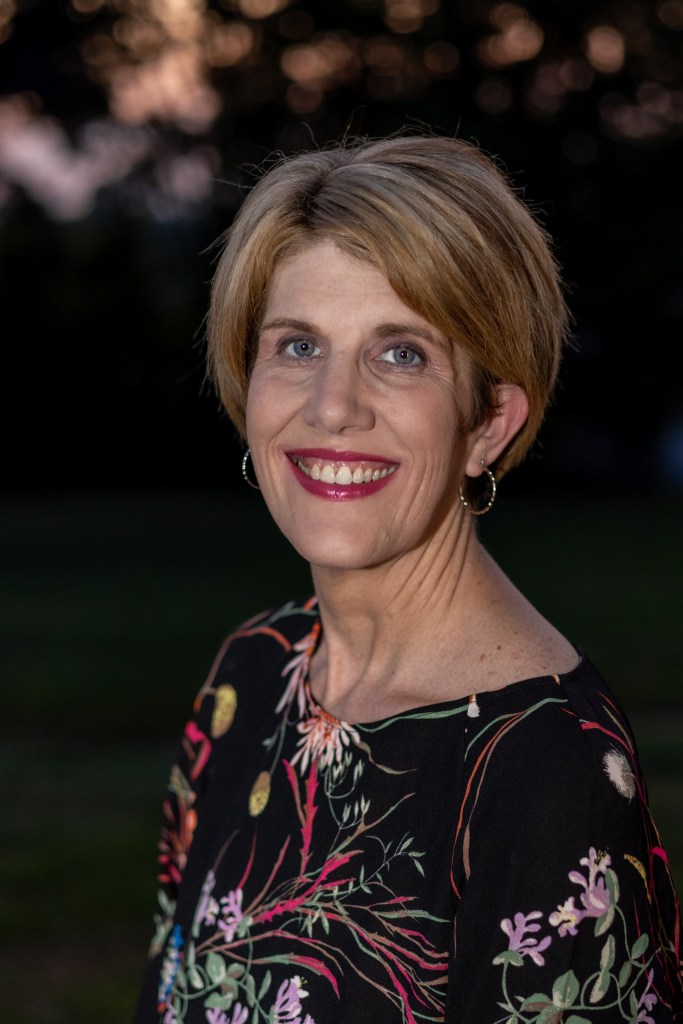
Hello! My name is Tricia English, and at 50 years old, I am starting my very first blog—ever! Wow! It feels like stepping into the unknown while constantly wondering, Am I doing this right? But that’s part of the journey. I’m excited to see where it leads.
Family/Home
I am a proud mother of two boys. Quinten is 20, and Xyler is 17. They continue to teach me more about patience, growth, and resilience than any classroom ever.
I also share my home with three cats —Tiggs, Faye, and Zeppy— who are fully convinced they run the place and our newest pup Winnie. I have a partner, Fred, and we balance each other out in the best way. When I’m not working or writing, I love being outdoors watching sunsets. Kayaking is another activity I enjoy. I’m also an avid pool shark who enjoys a little friendly competition.
Educator Philosophy
I teach 6th-grade English Language Arts. I’m an educator who believes teaching students to lead is at the heart of meaningful education. Leadership is developed when students have the chance to think critically. They need opportunities to communicate effectively and collaborate with others. They must act as responsible citizens and approach challenges with creativity. When these skills are intentionally taught and practiced, students learn to use their voices. They take ownership of their learning. They contribute positively to their communities.
My approach to teaching is rooted in global education. It begins with understanding where we are local. Then it expands outward to the world beyond our classrooms. By connecting students’ lived experiences to global perspectives, learning becomes authentic and relevant. This local-to-global lens strengthens students’ critical thinking and communication skills. It encourages collaboration and creativity. Students explore real-world issues and diverse viewpoints.
My teaching philosophy is centered on focusing on what is strong. It does not concentrate solely on what is wrong. While areas of need are not ignored, they are addressed by building on students’ strengths and abilities. When students recognize their strengths, they develop confidence and resilience. This recognition allows them to problem-solve creatively, collaborate productively, and grow as thoughtful, engaged citizens. By using strengths as the foundation for learning, students are empowered. They lead with purpose and compassion in an interconnected world.
As a Fulbright Teacher for Global Classrooms participant, I am committed to integrating global perspectives into everyday instruction. I do not treat global learning as a separate unit or experience. Instead, I work to embed it into reading, writing, discussion, and problem-solving. My classroom emphasizes inquiry and empathy. I believe that every student, regardless of location, has a place in the global conversation.
This blog serves as a space to reflect on my educational journey. It also allows me to share resources. Additionally, it explores the connections between local identity and global understanding. It is designed for educators, students, and community members. It is also for anyone interested in how global education can thrive in all learning environments.
My goal is simple. I want to help students see themselves not just as learners. They should also view themselves as informed, thoughtful participants in an interconnected world.
 An English Teacher: Rooted Locally, Thinkng Globally